

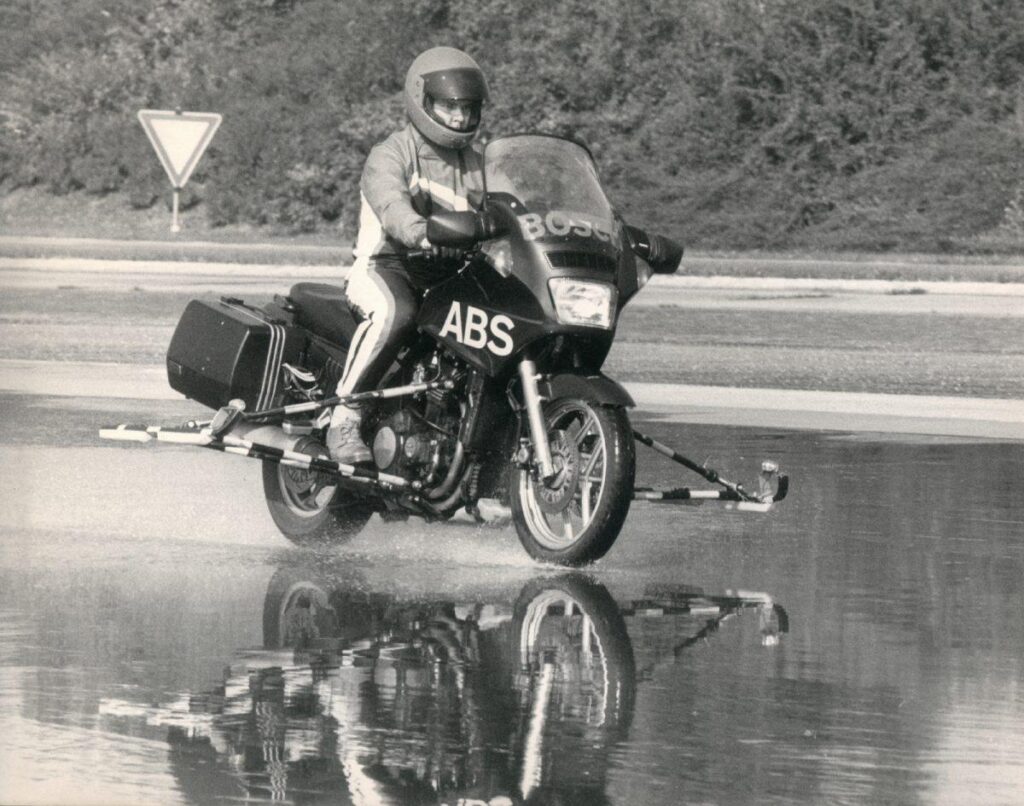
BOSCH CELEBRATES ITS 30 YEARS OF MOTORCYCLE ABS, ELEVATING ROAD SAFETY WITH CUTTING-EDGE INNOVATION
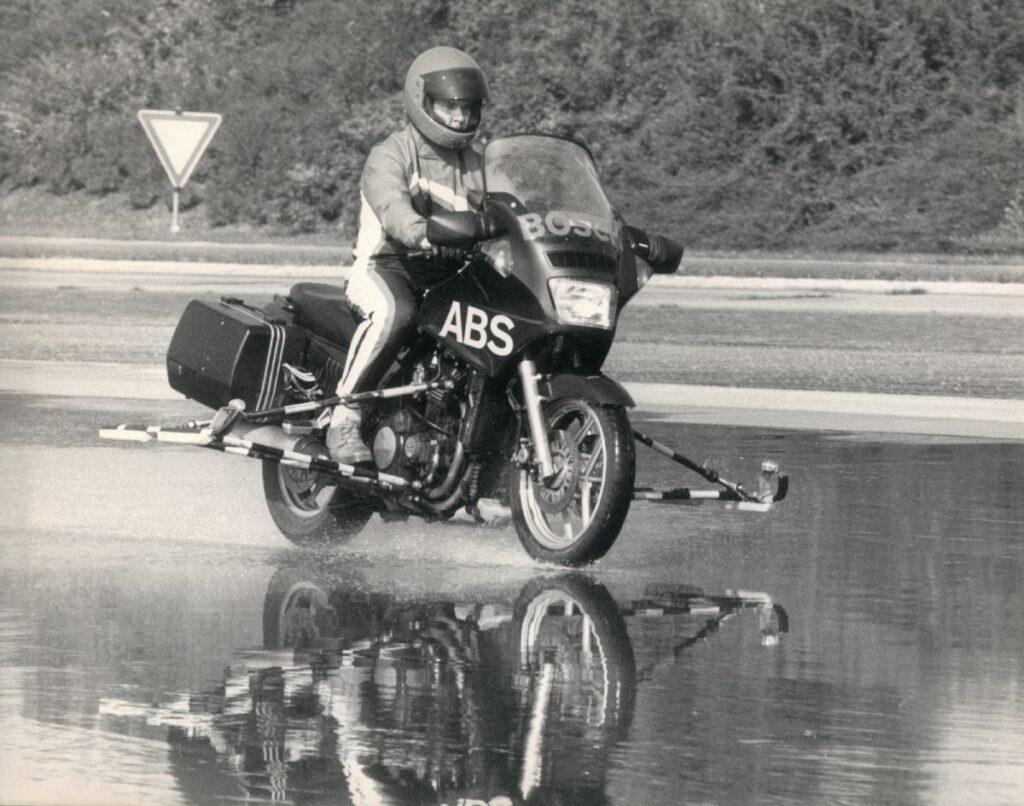
Bosch celebrates its 30 years of advancements in motorcycle safety technology at EICMA 2025, marking it yet another significant milestone since the introduction of Motorcycle ABS in 1995 on the Kawasaki GPZ1100. Over the past three decades, Bosch has continuously improved rider safety with innovations that have saved a great number of lives on the road.
Pursuant to the introduction of automotive ABS technology in 1978, Bosch began further developing motorcycle ABS in 1986 and established a global center of expertise in motorcycle safety in Japan in 2007. Subsequently, significant advancements had been made, including the compact ABS 9 in 2009, the lightweight ABS 10 for emerging markets in 2016, and the high-performance ABS 10 Enhanced package in 2018. The launch of Motorcycle Stability Control (MSC) in 2013 further reinforced Bosch’s role in active safety eventually helping with risky riding situations, such as cornering or rapid maneuvering.
Bosch’s accident research also highlighted the real-world impact of this technology, stating that if all motorcycles in Germany were equipped with ABS and MSC, over 30% of accidents with injuries could be prevented or mitigated. Such study reflected Bosch’s vision of enhancing rider safety with intelligent systems that helped maintain control in all conditions.
Currently, motorcycle ABS is recognized globally as a basic safety technology and is required in key markets like the European Union and India while Singapore is preparing to raise safety standards by making ABS mandatory on all new motorcycles, including those under 125 cc, from April 2027 onwards. Given the continued growth in two-wheeler safety worldwide and in ASEAN, Bosch plant in Amata City Rayong Industrial Estate, which is Bosch’s third production base for motorcycle ABS next to Japan and India, is well-equipped to meet the growing demand for ABS in Thailand and neighboring markets.
Bosch is powering the next generation of two-wheelers with high-performance electric drivetrains to support the growing transition to electrification. Bosch has developed a wide range of solutions for two-wheeled vehicles, divided into two segments: the Vehicle Control Unit and the Integrated Electric Drive designed to support up to 6 kW of power output for compact vehicles, which are popular in large markets like India and Southeast Asia. Bosch also offers additional In-Hub Drive solutions and compatible controllers.
Bosch’s new 3 kW Drive Control Unit supports manufacturers in expanding their electric motorcycle production into a compact segment. It combines inverter, motor management, and vehicle control functions into a single unit. When used with a hub motor, it also supports comfort features such as smoother acceleration and cruise control.
Electric Traction Control regulates motor torque to reduce rear wheel slip during acceleration, thus enhancing riding safety where the One-throttle Ride feature improves drive system efficiency by regenerative braking, allowing up to 8 % of energy to be regenerated back into the battery when the rider releases the accelerator pedal, depending on the environment.
The 2 kW Drive Control Unit features a robust design that resists high vibrations and is IP67 dust and water resistant for reliable performance in all weather conditions and on all road conditions.
Bosch’s mission remains expressly clear: To enhance safety, efficiency, and connectivity for all drivers through continuous innovation and intelligent technology.


