EA Opens AAB Factory to Showcase Production Line for BMTA’s 1,520 Electric Bus Project
A Thai-owned facility manages the entire production process, with a focus on quality and passenger safety.
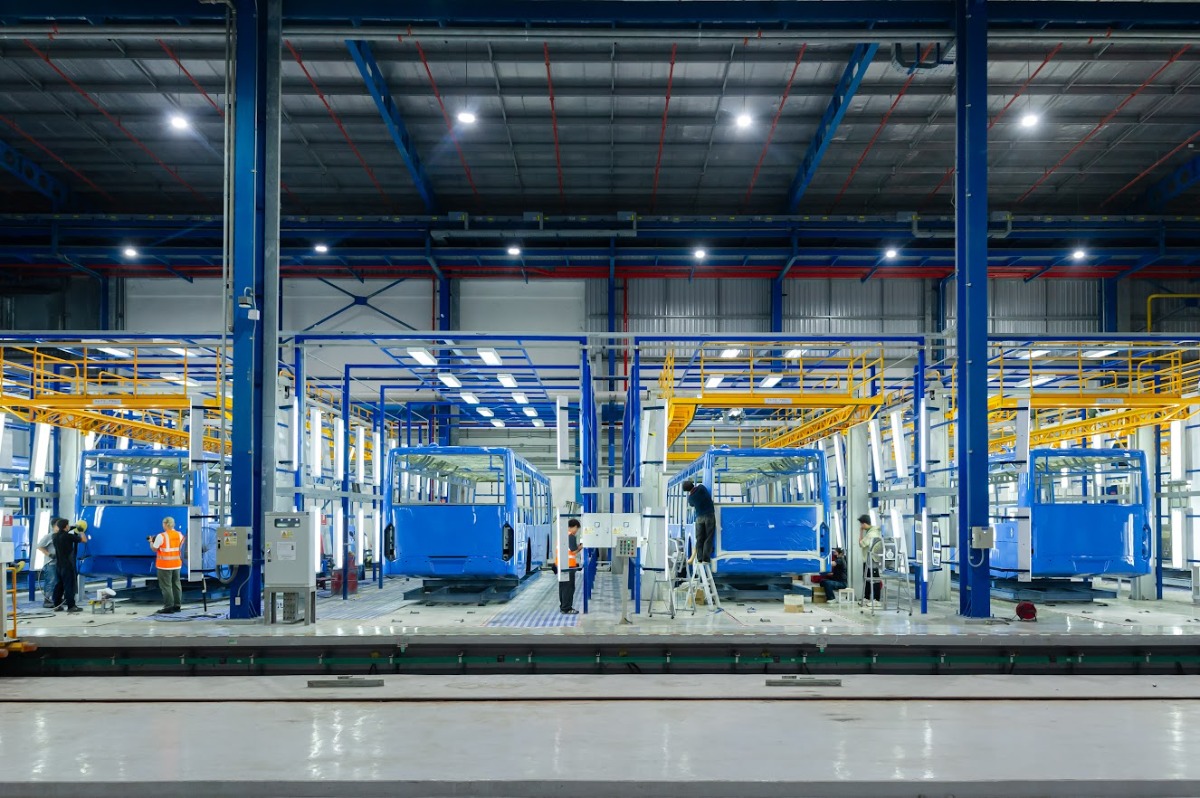
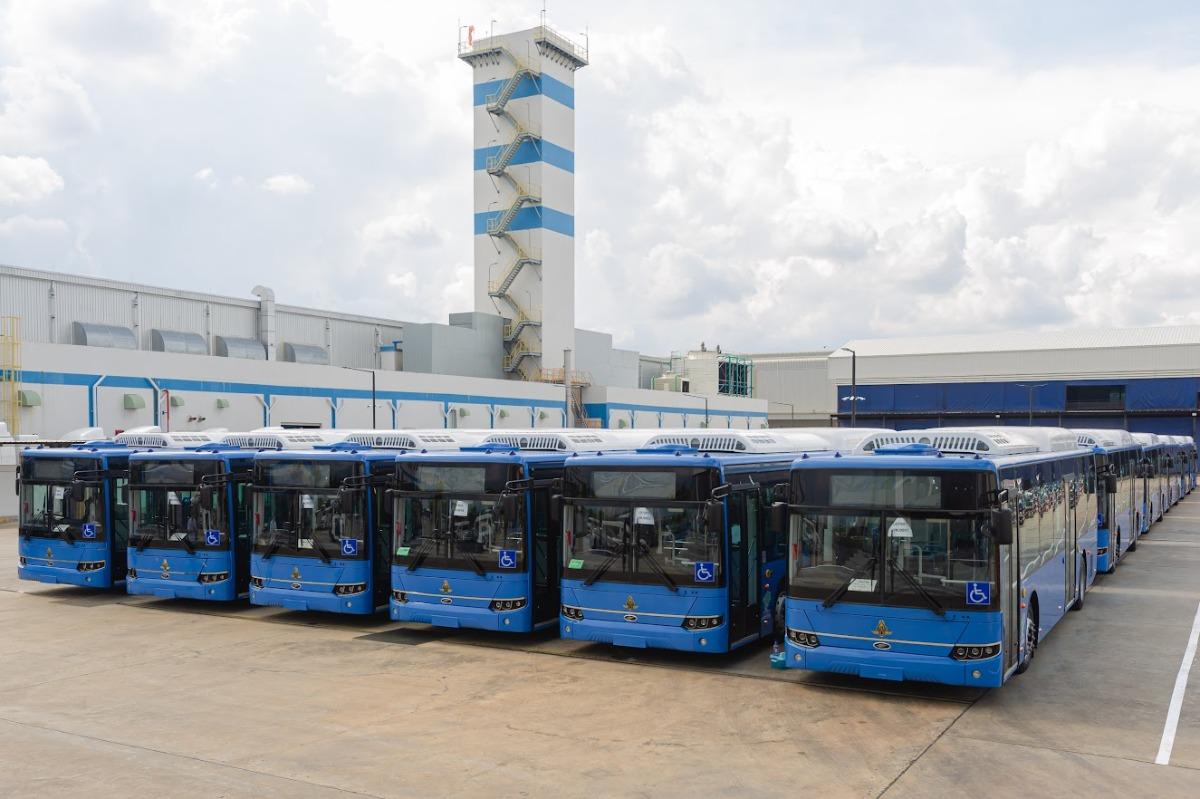
Energy Absolute Public Company Limited (EA) has opened the factory of its subsidiary, Absolute Assembly Co., Ltd. (AAB)—located in Ban Pho District, Chachoengsao Province—to the media. The visit highlighted the production and assembly of electric buses for the Bangkok Mass Transit Authority (BMTA) project, which involves 1,520 clean-energy, air-conditioned buses. AAB, a Thai-owned manufacturer and assembler of commercial electric vehicles within the EA group, is now fully operational across all stages of the project, working in collaboration with Nakhonchai Air and Nex Point Public Company Limited (NEX).
Mr. Chatrapon Sripratum, Chief Executive Officer of Energy Absolute Public Company Limited, stated, “Buses are a daily necessity for the public—whether for commuting to work, attending school, or returning home. For those who step onto a bus, the most important thing is the confidence that they will reach their destination safely. Our responsibility begins right here in the factory. Today, we want the media to see how our Thai team in Ban Pho ensures the quality of every single vehicle, and to speak directly with the people who build them.”
During the tour, the AAB team guided the media through four key production stages: chassis welding; anti-rust coating and painting; vehicle assembly—including the installation of electric powertrains and interior components; and final testing of the vehicles and their systems prior to delivery. Staff at each station explained their respective processes and addressed questions regarding quality and safety standards. For EA’s commercial electric vehicle business, the commencement of production at the AAB plant for the BMTA (Bangkok Mass Transit Authority) project serves as a clear indicator that investments in manufacturing facilities and the development of a skilled Thai workforce are now effectively addressing the demands of the public transport sector. The experience gained from manufacturing buses for a project of this scale also provides a foundation for the EA Group to expand into other types of commercial electric vehicles, tailored to the specific needs of transport operators.
“What Thailand gains from this project includes not only the buses that will serve the public, but also a Thai workforce with hands-on experience in manufacturing vehicles for public transport systems. The expertise—ranging from structural engineering to vehicle testing—remains here, serving as a resource for the development of future vehicle models. Furthermore, passengers and communities along the transit routes will benefit from reduced exhaust emissions and lower noise levels as electric buses replace those powered by internal combustion engines,” said Mr. Chatrapon.