

The Proportion Of Cleverness And Intelligence… In Actual Practical Engineering Work…
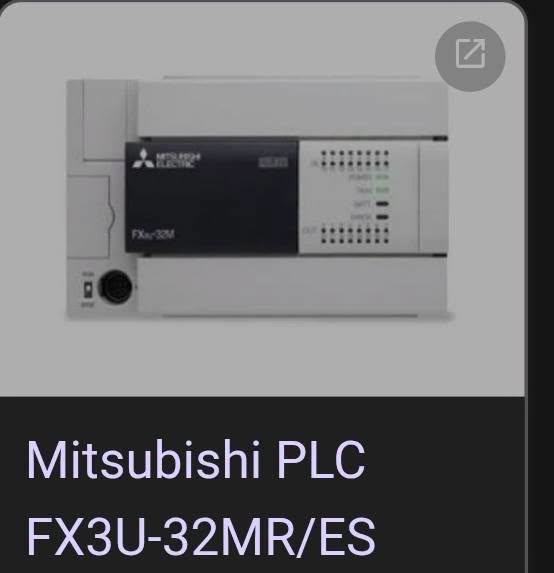
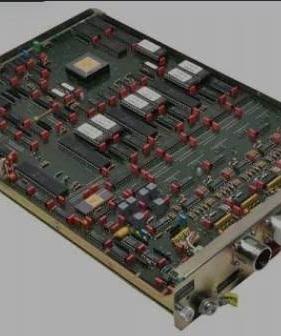
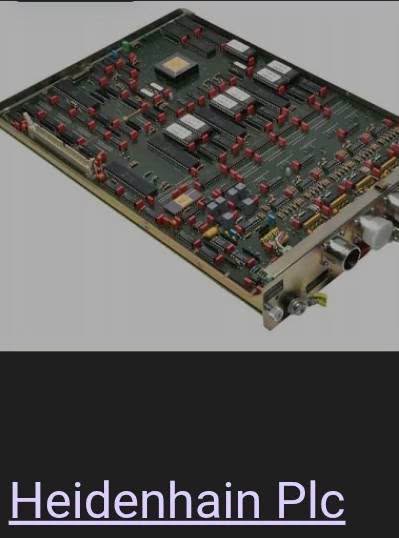
I once wrote about a new employee, a graduate of an Electrical Engineering Program from a university, who, after only a short time on the job, quit his probationary period by merely justifying that his supervisor didn’t even know what a PLC was…. The reason for quitting was that I asked him to get a PLC board… He went and came back saying there wasn’t one. So, I asked him to look again because I had just seen it lying there. He came back saying there still wasn’t one. So, I told him that the board in Picture 2 was the PLC board.
I don’t know if that was his real reason, but from the conversation, I think it was true, a genuine lack of knowledge. But he might have quit because I asked him to get it because I saw him sleeping on the job.
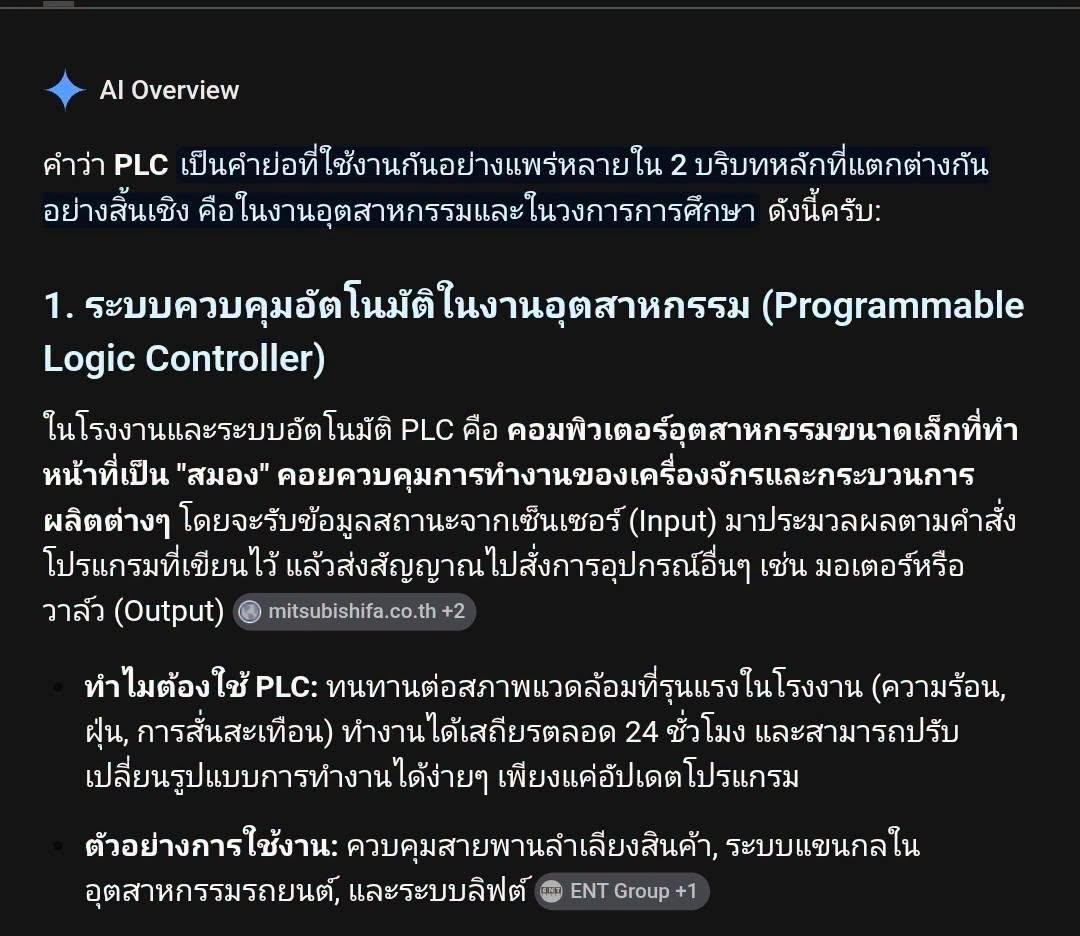
Coming back to the PLC issue… Picture 3 is an explanation of the meaning of PLC, or PROGRAMMABLE LOGIC CONTROLLER… which should be translated literally as a controller that can set a sequence of operations according to pre-thought-out logic (very long!).
Therefore, it is not incorrect to refer to Picture 2 as a PLC, because a PLC’s function and application do not necessarily have to resemble the device shown in Picture 1.
Many times, I’ve brought up the topic… Distinguishing between Picture 1 and Picture 2 to determine which is the PLC (Programmable Logic Controller) – if you ask new employees or interns… almost 100% of them will give their answers as Picture 1. The percentage decreases only in recent years with the advent of AI, where employees start looking at the Picture before giving their answers… (despite the Picture clearly indicates the source).
Why is that? Why don’t they translate the English text before answering? This shows they’re not using their ingenuity; they skip over the English and don’t translate it because they don’t think they need to, instead relying on familiar knowledge from classroom lessons.
Does this mean that teaching methods haven’t changed much or what?
Intelligence and cleverness are different… In service work, you need an understanding of principles and theories, which can be called “cleverness,” and you need to identify problems and know which theory to use to solve them… That’s what you might call “cleverness,” right?
Note: Picture courtesy of Mitsubishi, Heidenhain
#SiamElmatechSodsai #UdomsakSodsai
#siamelmatechaftersalesservice #siamelmatechservice
#SiamElmatech #CNC


