
JIMTOF2026 (the 33rd Japan International Machine Tool Fair)
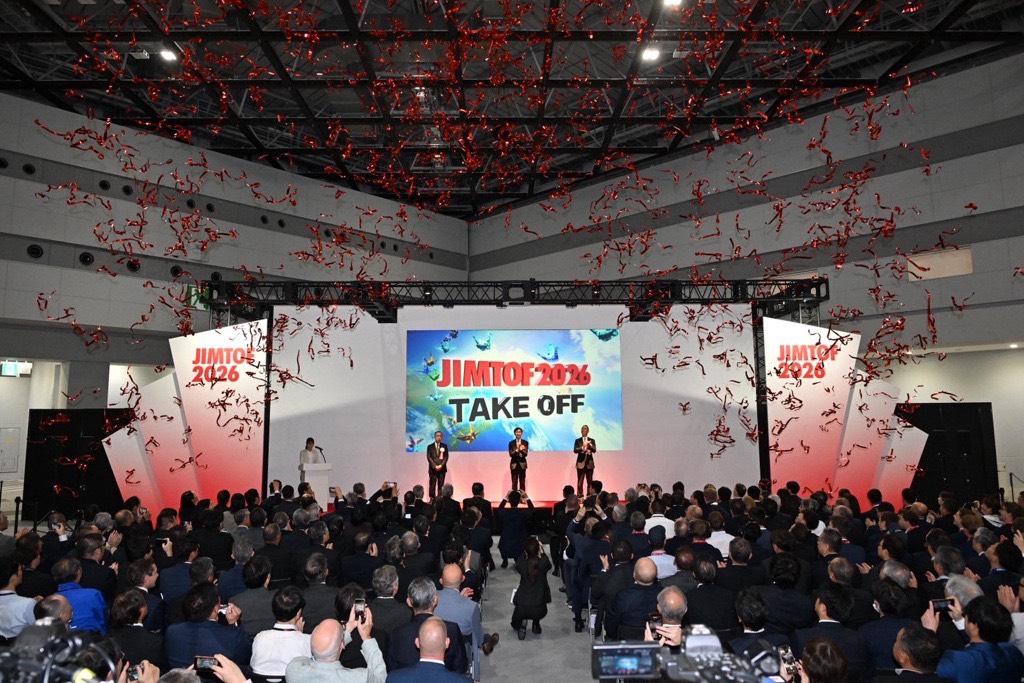
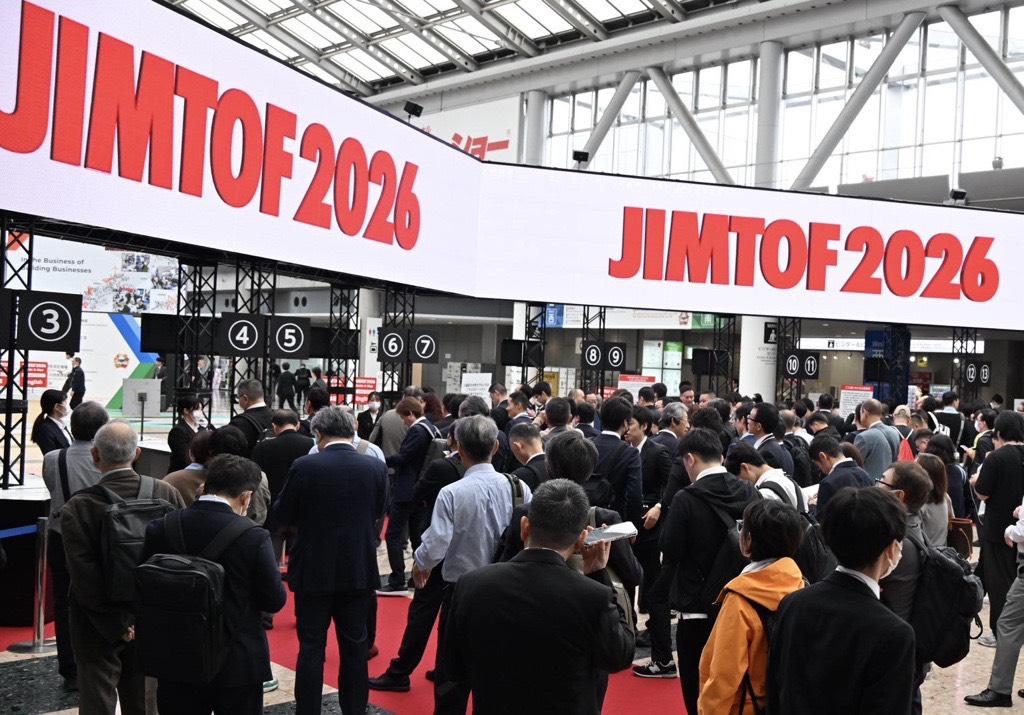
JIMTOF2026 (the 33rd Japan International Machine Tool Fair) will be held at Tokyo Big Sight (Tokyo International Exhibition Center) for six days, from Monday, October 26, 2026, to Saturday, October 31, 2026. The key visual for JIMTOF2026 features the tagline “Technology Soaring to Endless Heights” and uses an “origami bird” to symbolize cutting-edge manufacturing and the technologies being passed down to the next generation.
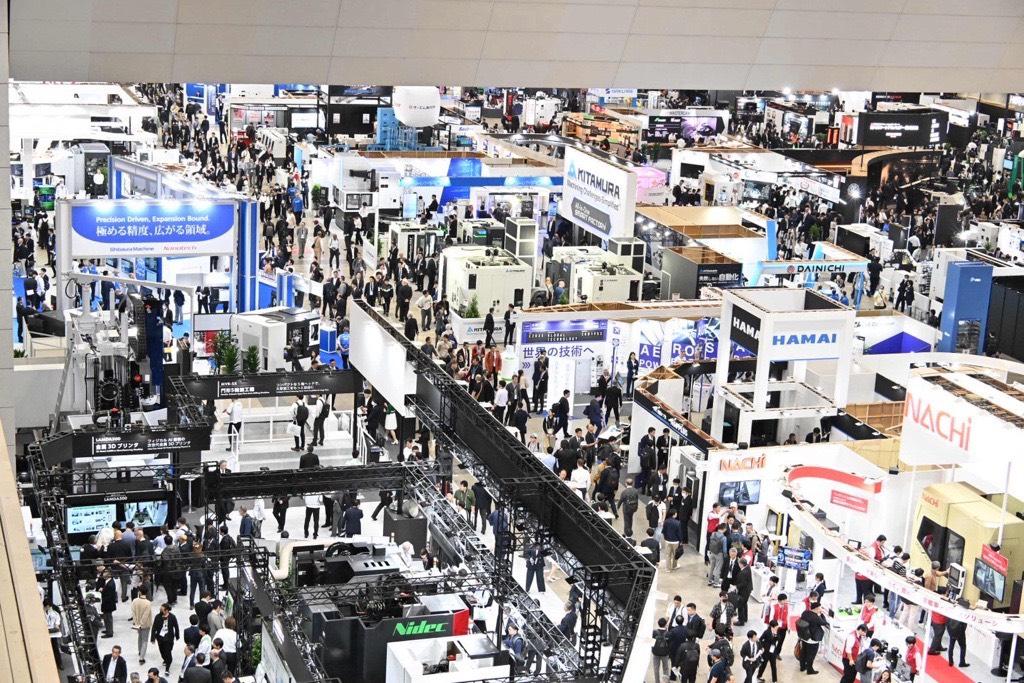
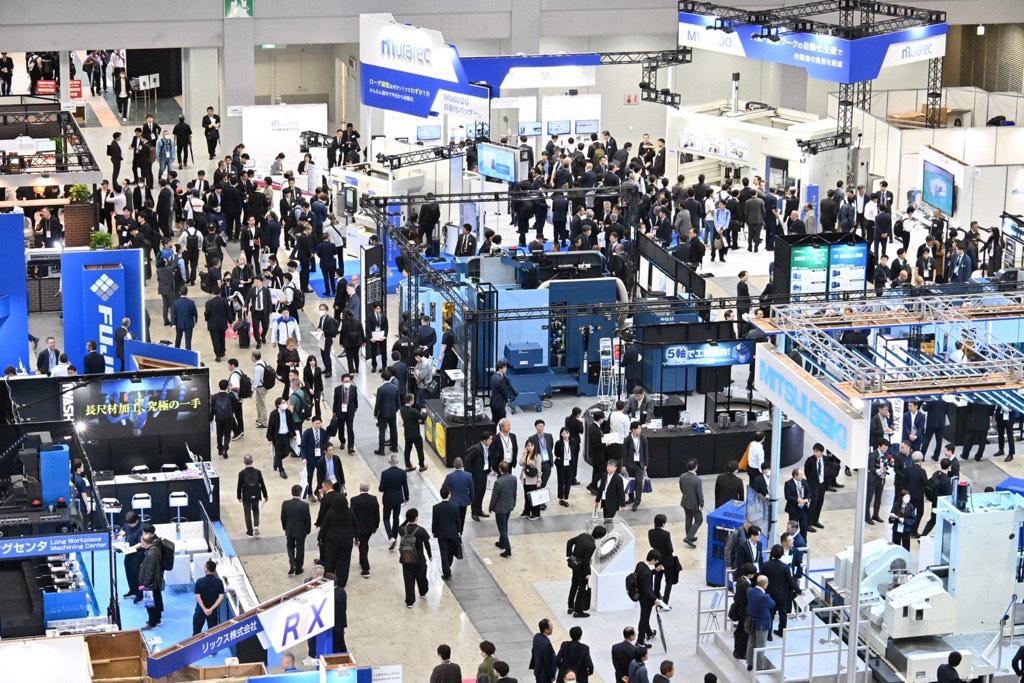
“JIMTOF 2026”, held biennially since 1962, now in its 33rd edition—will feature 1,134 companies and 4,422 booths from 22 countries and regions around the world. As one of the world’s largest international technology exhibitions, bringing together cutting-edge technologies and products from around the globe—including machine tools and related equipment—the event will feature not only exhibitor displays but also a diverse range of concurrent programs, such as lectures, seminars, special exhibitions, and programs for students.
At “JIMTOF2026,” a wide range of products will be showcased, including machine tools, forging and pressing machinery, machine accessories, cutting tools and wear-resistant tools, diamond and CBN tools, grinding wheels, gears and gear systems, hydraulic, pneumatic, and hydraulic equipment, precision measuring instruments, optical measuring instruments, testing equipment, control systems, and related software (CAD, CAM, etc.).
This year’s special exhibition, titled “The Future of Robots Working in Every Workplace: Machine Tools Supporting the Evolution of Hinomaru Robotics,” will be held. With the cooperation of Kawasaki Heavy Industries, Ltd., the exhibition will showcase how machine tools and machining technologies support the evolution and mass production of robots including humanoids and present the future of robotics and manufacturing. Furthermore, in the South Exhibition Hall, we will feature the “Additive Manufacturing ZONE (AM ZONE),” which showcases the latest trends in additive manufacturing technology. In addition to exhibiting cutting-edge workpieces such as complex shapes and high-performance parts created using additive manufacturing, we will host seminars featuring speakers from Formnext, the world’s largest AM exhibition, as part of a collaborative project with the event’s organizers and stakeholders to highlight the potential of next-generation manufacturing.
We will also expand our “Student Support Program” aimed at the next generation of manufacturing professionals. Activities will include a hands-on area where students can experience manufacturing by working with actual machines, presentations on initiatives at technical high schools, networking events between exhibiting manufacturers and students, seminars on leading machine tools, student booth tours, and seminars specifically for students. These initiatives will provide students with opportunities to deepen their understanding of machine tools and the manufacturing industry while helping them consider their future paths and careers.

About Machine Tools
Machine tools are machines used to process the parts that make up various products and support our daily lives as “manufacturing” machines that make people’s lives more comfortable and convenient. For example, metal parts that compose products made of metal, from everyday items such as cameras and watches to products essential for transportation such as automobiles, airplanes, and ships, all have a process of cutting and drilling the material to create them. The machines that perform these processes are “Machine Tools,” which process not only metals, but also non-metals such as ceramics, glass, wood, and plastics.
Machine tools can make precise and complex parts accurately, efficiently, and inexpensively. And since all machines and parts are made by machine tools, they are also called “machine making machines” or “mother machines. In a broad sense, machine tools are defined as “machines for bringing metal, wood, or other materials into a useful shape by cutting, grinding, shearing, forging, and rolling, etc.” The Japanese Industrial Standard (JIS) defines machine tools as “machines that, usually interpreted in a narrow sense, remove unwanted parts from metal workpieces by cutting, and grinding, etc., or by using electricity, or other energy to give them the required shape. However, it excludes machines that are held by hand, or fixed with a magnetic stand during use. On the other hand, internationally, machine tools are often interpreted in a broader sense to include presses and woodworking machines.
Machine tools are broadly divided into “General-purpose Machine Tools”, which are operated by the operator by turning a handle, and “NC Machine Tools”, which are automatically operated by numerical control using a computer or other means. The emergence of NC machine tools, which can produce the same machining results regardless of who uses them and enables the automation of production, has had a major impact on the entire manufacturing industry, with NC machine tools now accounting for over 90% of Japan’s machine tool production.