Carrying Forward The Thai Tool And Die Industry’s Vision: A New President’s Message To The Next Generation Of Tool And Die Manufacturers
“from the moment we wake up until we go back to sleep, we cannot deny that more than 80% of the products around us are manufactured using molds.”
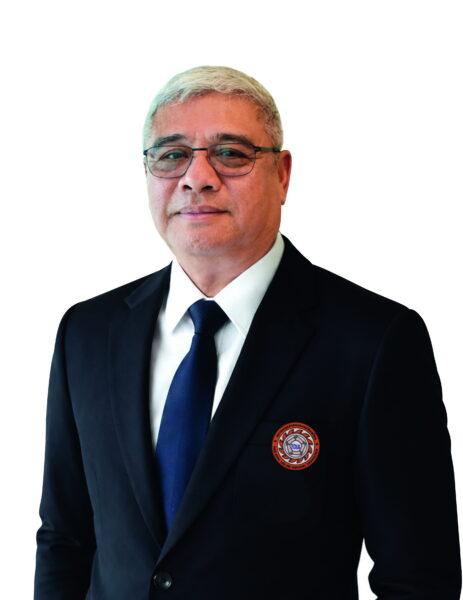
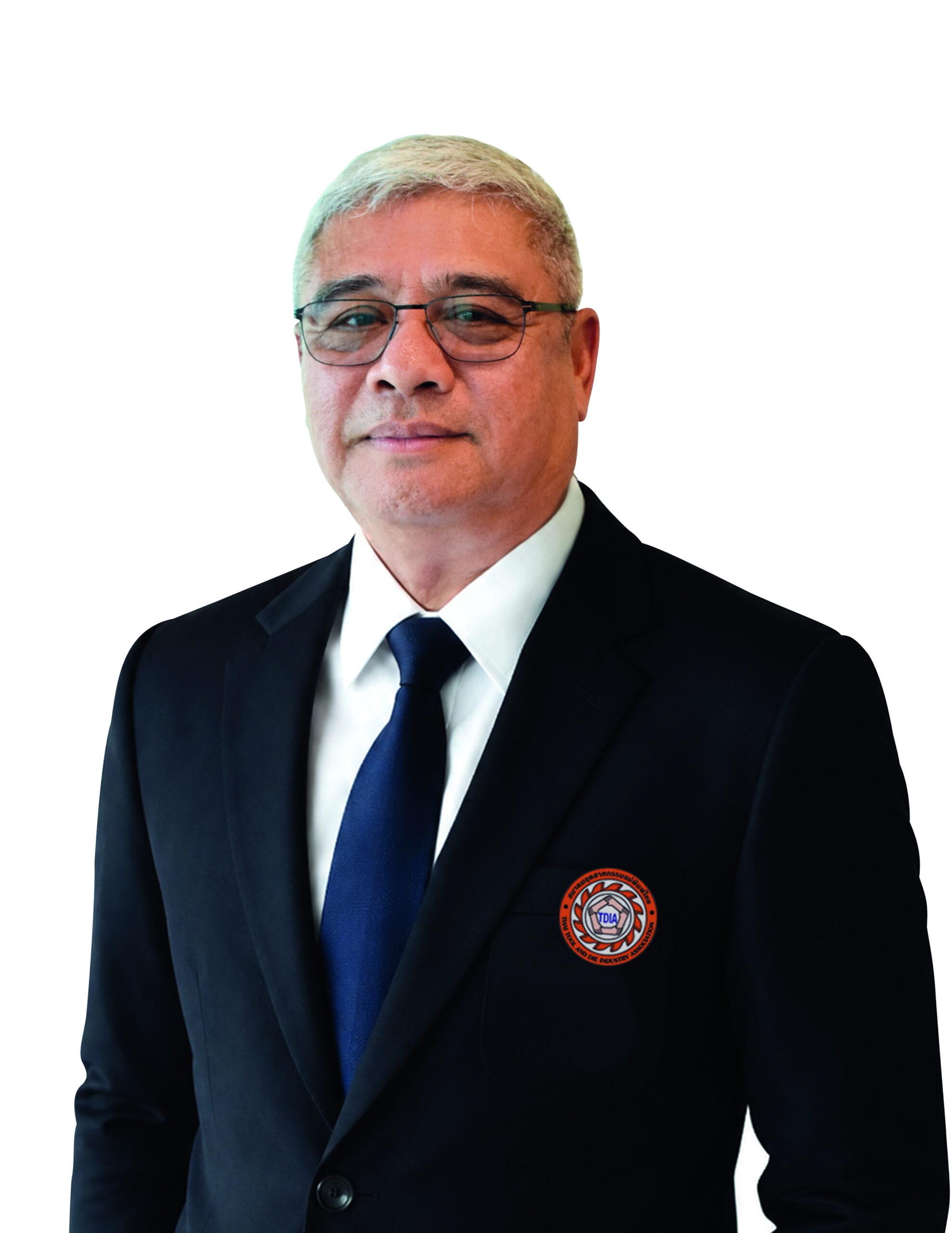
Mr. Phaisal Kasikum, President of the Thai Tool and Die Industry Association for 2026–2027, said that in his more than 30 years in the mold industry over half of his working life the first 10–20 years were a golden era for the sector. However, over the past 5–10 years, he has seen many mold manufacturers struggle and ultimately close their businesses because of declining orders, a shortage of next-generation successors, and limited government support. “with raw material and labor costs rising while mold prices continue to decrease, many businesses are left with little or no profit.” He said he could not simply stand by while the mold industry the country’s “Backbone” and an “Upstream Industry”supporting more than 80% of products gradually weakened and disappeared. For this reason, he volunteered to carry forward the previous president’s policies while introducing new initiatives, particularly those that bring together established and younger entrepreneurs.
It’s time to “Pass the Baton” to the next generation. Start building systems, nurturing a new generation, and establishing common standards before new entrepreneurs lose their principles and a sustainable production approach, leaving the industry without any mold manufacturers.”
What has the Association’s Role in the Next 2-4 Years Been Mapped Out?
Mr. Phaisal outlined eight key policies to guide the association’s direction. Communication and member engagement: the association will strengthen communication through an Open-Door Policy by launching a Line Official account or Hotline where members can submit complaints, suggestions, and questions directly, with the president providing weekly responses. It will also visit member factories and potential member factories to better understand real challenges on the ground. Skills development: the association will promote upskilling and reskilling through training in advanced mold manufacturing technologies, new mold-maker courses, partnerships with technical colleges and universities, and initiatives to attract younger generations and develop industry successors. Cost reduction: it will help members lower costs by forming purchasing groups to increase bargaining power for machinery, mold steel, mold parts, measuring instruments, and consumables, while also offering consultation clinics. Government collaboration: the association will collect information from members facing funding shortages for organizational improvement and development, then present their needs to relevant government agencies. Market expansion: it will help members identify and secure new business opportunities, including the development of Thailand mold hub,a central platform that categorizes member factories by specialization and promotes them to Tier 1 suppliers, OEMs, and Overseas clients. B2B Business matching: the association will organize mold sourcing days to connect automotive and electronics customers with members, while supporting members’ entry into international markets through overseas trade fairs, industry visits, and factory tours. Technology and innovation: it will establish a mold tech center in cooperation with local and international universities, giving members access to new technologies and a stronger pipeline of skilled personnel. Clearer membership benefits: frequent question is what will be the benefits in becoming the members? The association will have to define more tangible benefits for members through clear policies. Cooperation: such as networking activities like sports, golf, and social gatherings, and recognition programs such as upskill awards and Mold Man of the Year for members who contribute to industry development through association projects.
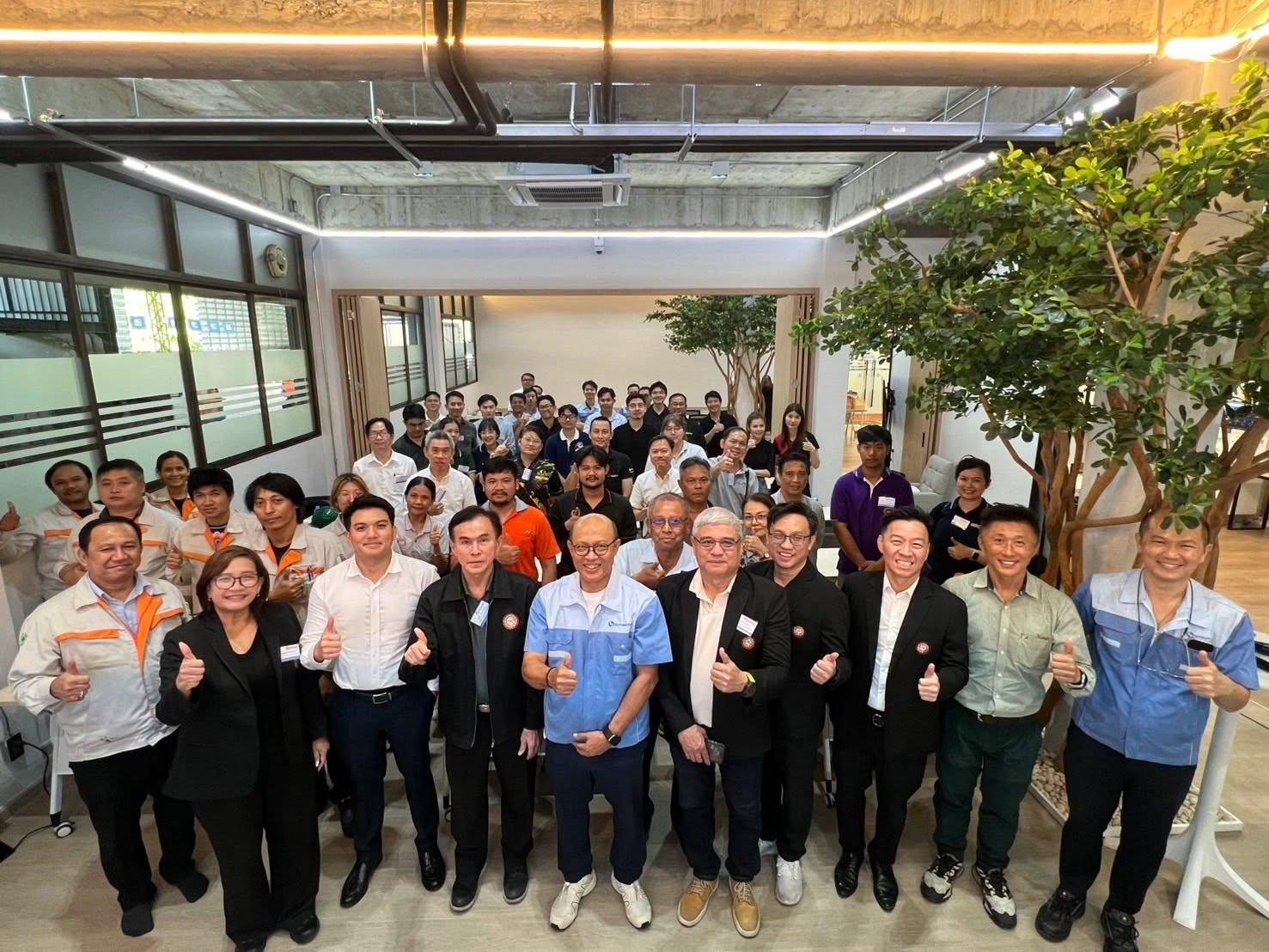
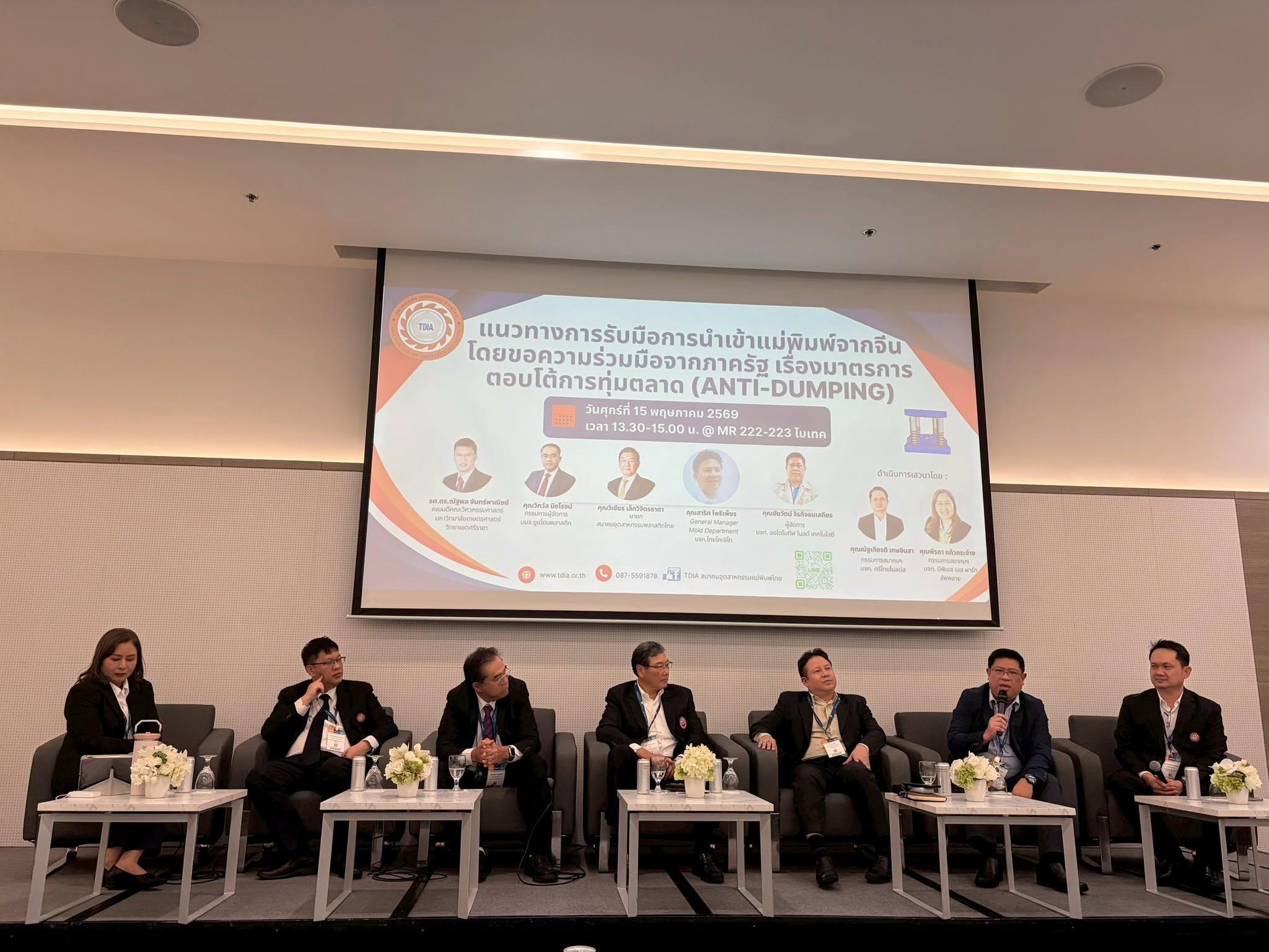
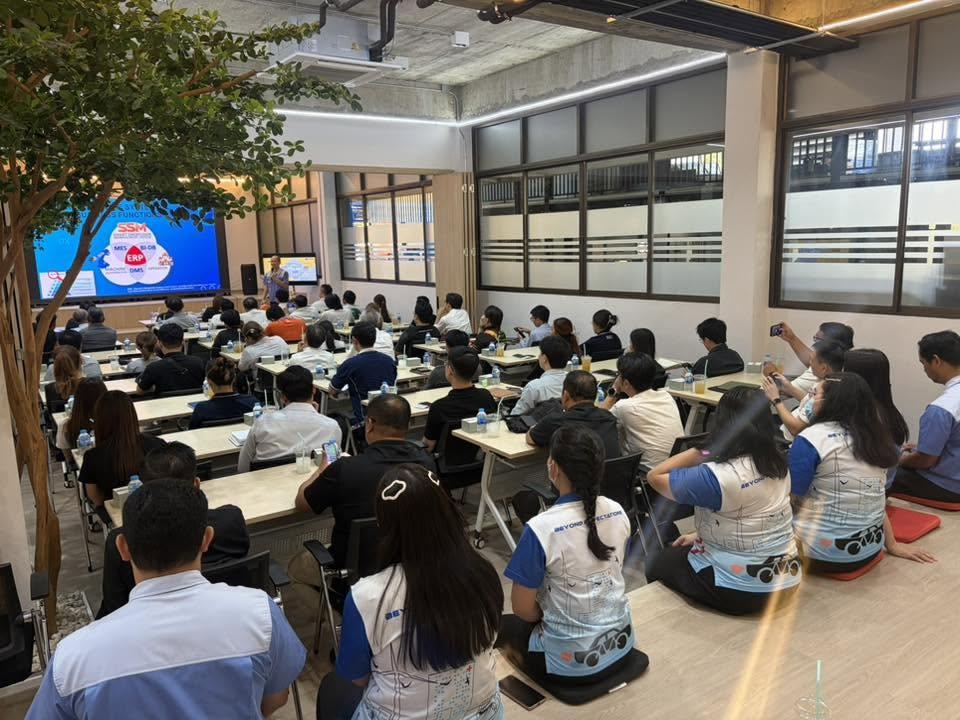
Key point: the president must be a “representative of the members,” actively seeking out opportunities, solving problems, promoting and supporting, daring to adapt and change, and driving progress to gain acceptance from the association’s members.
Technology and Transformations in the Thai Tool and Die Industry.
The technologies that will change the role for the Thai Tool and Die industry in the next 3-5 years are product design for Sustainability, Mold Design for High Precision and Medical Products, CAD/CAM/CAE with real time by cloud technology, High-speed 5-axis CNC + Automation, Metal 3D Printing for inserts, Mirror polishing, Surface coating, and Green tech of materials and tooling. Therefore, these technologies will give Thai entrepreneurs a competitive edge, especially in the ability to produce high-quality molds, produce molds on time according to customer specifications, provide fast after-sales service, and be able to discuss the details of the product specifications with customers completely and clearly.
The president of the Thai Tool and Die Industry Association concluded by saying that creating a system, developing a new generation of personnel, and establishing common standards will provide a guideline for the mold industry to be sustainable and stable, with a business and work structure that is ready to adapt to technology to keep up with the times, and for the day I step down. I can confidently say, “I have contributed to a mold and die industry that can move in the right, stable, and sustainable direction.”